%20%20--%3E%0A%3Csvg%20version%3D%221.1%22%20xmlns%3D%22http%3A%2F%2Fwww.w3.org%2F2000%2Fsvg%22%20xmlns%3Axlink%3D%22http%3A%2F%2Fwww.w3.org%2F1999%2Fxlink%22%20x%3D%220px%22%20y%3D%220px%22%0A%09%20viewBox%3D%220%200%202634%20200%22%20style%3D%22enable-background%3Anew%200%200%202634%20200%3B%22%20xml%3Aspace%3D%22preserve%22%3E%0A%3Cstyle%20type%3D%22text%2Fcss%22%3E%0A%09.st0%7Bfill%3A%23231F20%3B%7D%0A%09.st1%7Bfill%3A%23004A8D%3B%7D%0A%09.st2%7Bfill%3A%237BB2DE%3B%7D%0A%09.st3%7Bfill%3A%23FFFFFF%3B%7D%0A%09.st4%7Bfill%3A%23634F2E%3B%7D%0A%09.st5%7Bopacity%3A0.5%3Bfill%3A%23634F2E%3B%7D%0A%09.st6%7Bopacity%3A0.35%3B%7D%0A%09.st7%7Bfill%3A%23B08C5A%3B%7D%0A%3C%2Fstyle%3E%0A%3Cg%20id%3D%22Template%22%3E%0A%3C%2Fg%3E%0A%3Cg%20id%3D%22Layer_2%22%3E%0A%09%3Cg%3E%0A%09%09%3Cpolygon%20class%3D%22st3%22%20points%3D%22169.1%2C0%20110.6%2C0%2052.6%2C91.1%2052.6%2C0%200%2C0%200%2C200%2052.6%2C200%2052.6%2C161.7%2081.4%2C121.7%20115.4%2C200%20172%2C200%20%0A%09%09%09114.3%2C76.3%20%09%09%22%2F%3E%0A%09%09%3Crect%20x%3D%22190.6%22%20class%3D%22st3%22%20width%3D%2253.7%22%20height%3D%22200%22%2F%3E%0A%09%09%3Cpolygon%20class%3D%22st3%22%20points%3D%22398%2C106.3%20332.5%2C0%20279.1%2C0%20279.1%2C200%20331.1%2C200%20331.1%2C85.4%20402.3%2C200%20450%2C200%20450%2C0%20398%2C0%20%09%09%22%2F%3E%0A%09%09%3Cpath%20class%3D%22st3%22%20d%3D%22M600%2C0h-78.9c-26.3%2C0-38.9%2C12.6-38.9%2C38.9v122.3c0%2C26.3%2C12.6%2C38.9%2C38.9%2C38.9H600c26.3%2C0%2C38.9-12.6%2C38.9-38.9%0A%09%09%09V83.4h-82.6v42.3h29.4v25.1c0%2C4-1.1%2C5.1-5.1%2C5.1h-39.4c-4%2C0-5.1-1.1-5.1-5.1V49.1c0-4%2C1.1-5.1%2C5.1-5.1h39.4c4%2C0%2C5.1%2C1.1%2C5.1%2C5.1%0A%09%09%09V66h53.1V38.9C638.8%2C12.6%2C626.2%2C0%2C600%2C0z%22%2F%3E%0A%09%09%3Cpath%20class%3D%22st3%22%20d%3D%22M777.1%2C83.1l-53.1-14.3c-5.1-1.4-6-2.3-6-5.4V48c0-4%2C1.1-5.1%2C5.1-5.1h32.9c4%2C0%2C5.1%2C1.1%2C5.1%2C5.1v16.3h53.7%0A%09%09%09V38.9c0-26.3-12.6-38.9-38.9-38.9h-72.9c-26.3%2C0-38.9%2C12.6-38.9%2C38.9v34.9c0%2C28.6%2C13.1%2C33.4%2C41.1%2C41.1l53.1%2C14.6%0A%09%09%09c4.6%2C1.1%2C6%2C2%2C6%2C5.1V152c0%2C4-1.1%2C5.1-5.1%2C5.1h-36.9c-4%2C0-5.1-1.1-5.1-5.1v-18.3h-53.7v27.4c0%2C26.3%2C12.6%2C38.9%2C38.9%2C38.9h76.9%0A%09%09%09c26.3%2C0%2C38.9-12.6%2C38.9-38.9v-36.9C818.2%2C95.7%2C805.1%2C90.6%2C777.1%2C83.1z%22%2F%3E%0A%09%09%3Cpath%20class%3D%22st3%22%20d%3D%22M961.3%2C61.6h-42.9c-17%2C0-26.7%2C8-30.3%2C25L876.2%2C142c-3.6%2C17%2C2.7%2C25%2C19.7%2C25h42.9c17%2C0%2C26.7-8%2C30.3-25%0A%09%09%09l11.8-55.4C984.5%2C69.6%2C978.2%2C61.6%2C961.3%2C61.6z%20M945.6%2C92.8l-9.1%2C42.9c-0.6%2C2.9-1.8%2C3.9-4.7%2C3.9h-17.2c-2.9%2C0-3.7-1-3.1-3.9%0A%09%09%09l9.1-42.9c0.6-2.9%2C1.8-3.9%2C4.7-3.9h17.2C945.5%2C88.9%2C946.3%2C89.9%2C945.6%2C92.8z%22%2F%3E%0A%09%09%3Cpath%20class%3D%22st3%22%20d%3D%22M1014.8%2C49.5l-2.6%2C12.1h-14.8l-5.6%2C26.4h14.8l-16.8%2C79h34.7l16.8-79h20.7l5.6-26.4h-20.7l1.5-7%0A%09%09%09c0.6-2.9%2C1.8-3.9%2C4.7-3.9h14.8l5.6-26.2h-28.5C1028.1%2C24.5%2C1018.4%2C32.5%2C1014.8%2C49.5z%22%2F%3E%0A%09%09%3Cpolygon%20class%3D%22st3%22%20points%3D%221299.4%2C0%201240.8%2C0%201182.8%2C91.1%201182.8%2C0%201130.2%2C0%201130.2%2C200%201182.8%2C200%201182.8%2C161.7%201211.6%2C121.7%20%0A%09%09%091245.6%2C200%201302.2%2C200%201244.5%2C76.3%20%09%09%22%2F%3E%0A%09%09%3Cpath%20class%3D%22st3%22%20d%3D%22M1364.2%2C0l-60.3%2C200h54.9l10.6-41.1h58.9l10.6%2C41.1h57.1L1435.1%2C0H1364.2z%20M1380.2%2C116l18.6-72.3l18.6%2C72.3%0A%09%09%09H1380.2z%22%2F%3E%0A%09%09%3Cpath%20class%3D%22st3%22%20d%3D%22M1610.8%2C148.6c0%2C3.4-1.7%2C5.1-5.1%2C5.1h-37.1c-3.4%2C0-5.1-1.7-5.1-5.1V0h-53.7v161.1c0%2C25.1%2C13.7%2C38.9%2C38.9%2C38.9%0A%09%09%09h77.1c25.1%2C0%2C38.9-13.7%2C38.9-38.9V0h-53.7V148.6z%22%2F%3E%0A%09%09%3Cpolygon%20class%3D%22st3%22%20points%3D%221698.5%2C200%201752.2%2C200%201752.2%2C123.4%201821%2C123.4%201821%2C79.4%201752.2%2C79.4%201752.2%2C44.6%201839%2C44.6%201839%2C0%20%0A%09%09%091698.5%2C0%20%09%09%22%2F%3E%0A%09%09%3Cpolygon%20class%3D%22st3%22%20points%3D%221862.7%2C200%201916.4%2C200%201916.4%2C123.4%201985.3%2C123.4%201985.3%2C79.4%201916.4%2C79.4%201916.4%2C44.6%202003.3%2C44.6%20%0A%09%09%092003.3%2C0%201862.7%2C0%20%09%09%22%2F%3E%0A%09%09%3Cpolygon%20class%3D%22st3%22%20points%3D%222132.4%2C105.1%202087.6%2C0%202027%2C0%202027%2C200%202077.9%2C200%202077.9%2C84.9%202115.3%2C175.7%202147.9%2C175.7%20%0A%09%09%092185.3%2C84.9%202185.3%2C200%202237.3%2C200%202237.3%2C0%202177.3%2C0%20%09%09%22%2F%3E%0A%09%09%3Cpath%20class%3D%22st3%22%20d%3D%22M2315.5%2C0l-60.3%2C200h54.9l10.6-41.1h58.9l10.6%2C41.1h57.1L2386.4%2C0H2315.5z%20M2331.6%2C116l18.6-72.3l18.6%2C72.3%0A%09%09%09H2331.6z%22%2F%3E%0A%09%09%3Cpolygon%20class%3D%22st3%22%20points%3D%222584.1%2C0%202584.1%2C106.3%202518.7%2C0%202465.3%2C0%202465.3%2C200%202517.3%2C200%202517.3%2C85.4%202588.4%2C200%202636.1%2C200%20%0A%09%09%092636.1%2C0%20%09%09%22%2F%3E%0A%09%3C%2Fg%3E%0A%3C%2Fg%3E%0A%3C%2Fsvg%3E%0A)

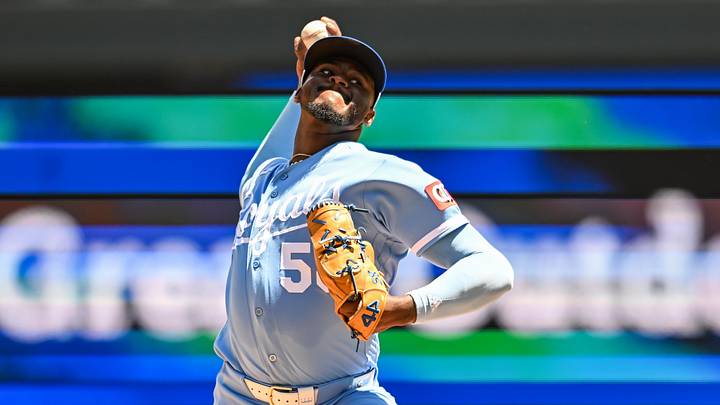
Kansas City Royals pitcher Luinder Avila is in the right spot at the right time to push his pitching development to the next level. Manager Matt Quatraro was one of many people who lauded the Venezuelan's potential this offseason after Avila made a solid transition to the MLB bullpen. Avila was primarily a starter during his time in the Royals organization, with 92 of his 120 career appearances coming as a starter. But the hurler's performance in shorter outings in 2025 was stellar and made him a popular candidate to begin the season in Kansas City's bullpen.
Fast forward to 2026, and the box score paints a shakier picture that calls for context. Avila has been as advertised coming out of the bullpen, with a 3.44 ERA and a serviceable 1.78 strikeout-to-walk ratio. He has multiple multi-inning appearances in his nine relief outings, including a mid-May 7.1-inning run where he allowed only two hits while striking out eight. But Royals fans know just how desperate injuries have made the pitching rotation's options, and the situation has thrust Avila into the starting side of the house.
The results there have been quite the opposite. Avila hit a new low on June 12 against the Houston Astros, allowing a career-high eight earned runs in only 0.2 innings of work. Thankfully the Royals' lineup made that eventual 10-8 loss close, but Avila's start dug a hole they were unable to climb out of. Confidence among fans was sparse heading into June 17 against the Washington Nationals, but Avila went out there and delivered the best start of his 2026 season.
Avila fanned five batters in the nation's capital, while only allowing three hits and one earned run in 5.2 innings of work. His one walk was the fewest he has had in a start this season as well, earning him a 63 on Bill James' Game Score index. Was it a quality start? No. But was it just what fans and the organization needed to see in a bounce-back effort? Absolutely.
While the Nationals and Astros are two very different teams, they are both above-average run-scoring teams, with the Nationals' 5.38 runs per game leading all of MLB through 76 games. So with Avila being able to limit their output, is there hope that this is more than an outlier and rather a new attack plan for the Venezuelan? Here are three reasons Avila's start against the Nationals could lead to something different.
In his last start, Avila switched from the sinker to four-seam fastball
One of the older pieces of baseball advice that comes to mind is that pitchers need to throw their best pitch the most. Imagine Mariano Rivera not throwing his cutter the most. The advice makes sense in broad strokes, even if it does not really apply to starters or pitchers who rely on three or more offerings. But Avila certainly was not following that train of thought by tossing his sinker the most heading into his sixth start this season.
Avila's sinker has been his most-used pitch this season, with both green and red flags. Batters were putting the ball on the ground at a 64.8% rate, one of the league's highest, while the 7.9% swinging strike rate was one of the better marks as well. But Avila struggled to land the pitch in the zone, and batters still had a .419 BABIP against his sinker. According to Pitcher List, his sinker's 4.46 PLV ranked 176th out of qualified pitchers, down in the 12th percentile.
So, for the third time this season, Avila led the charge with his four-seam fastball instead of the sinker. Now, was that offering better per se? No. Avila still could not land it in the zone and threw more bad fastballs than good ones. But it still got the job done, averaging 96.6 mph and setting up his slider, which was the star of Avila's start. Compared to his Astros outing, Avila kept the four-seamer up in the zone more consistently, with the groupings tracking along the path where his slider would also land.
This was something Avila did well against the Cincinnati Reds, another lengthy start where he threw a four-seamer more than the sinker. There is a loose correlation between Avila throwing the former more than the latter and simply performing better. If the Royals are going to rely more on Avila for innings in the rotation, they should toy with his attack plan more to make the four-seamer the primary fastball option.
First-pitch strikes have led to an advantage for Avila
Again, old baseball sense says that better things happen when pitchers start off with a 0-1 count. In fact, here is how the outcomes change after a 1-0 and 0-1 count.
Count | BA | OBP | SLG | OPS |
|---|---|---|---|---|
After 1-0 | .254 | .384 | .432 | .815 |
After 0-1 | .215 | .264 | .338 | .602 |
So after getting up 1-0, the average MLB batter turns into AL Rookie of the Year favorite Kevin McGonigle, while in the opposite scenario, they turn into 2026 Salvador Perez. A pretty big difference, and one that Royals fans are reminded of constantly.
Avila has struggled this season with throwing first-pitch strikes, with his 54.5% first-strike rate ranking in the 11th percentile among MLB pitchers. Pitchers can still find success after getting behind in the count, but doing so means overcoming steep odds time and time again. Avila's stuff and command are not good enough (yet) to be such a pitcher. But against Washington, Avila had a season-best performance getting ahead in the count.
Avila posted a season-best 61.9% true first-strike rate (a rate that takes batted balls on 0-0 counts out of the equation), by far surpassing his season 49.1% mark. He continued this trend on the second pitch, getting into plenty of 0-2 counts or back into a 1-1 count. This is part of the raid-the-zone mentality that came with pitching coach Brian Sweeney, or at least Avila putting his slider in the shadow of the zone.
Avila's command and control are both clear works in progress, but even a marginal improvement like this mattered against the Nationals. This is a trend that matters as the season progresses and if Avila wants to establish himself as a starting option once the other rotation pieces get healthy.
The Nationals were the latest victim of Avila's curveball
This is not so much something Avila did differently, but rather how the opposition chose not to attack him. Avila is known for his curveball as a bending, looping offering, but the Astros punished that pitch in the previous start. He only threw it five times total, but a Cam Smith single and a Yordan Alvarez home run came on it. The induced vertical break, velocity, extension, and more all say Avila's curveball against the Nationals was actually his worst of the season.
But boy, did it get the job done.
Avila threw his curveball 12 times against the Nationals, and a positive event happened 83.3% of the time. That includes the season-high seven called strikes, the two whiffs, and the lone foul on it. He threw 12 curves, and 10 times something good for him happened. That is an incredible success rate that far outpaces his 58.7% mark on the curve in 2026. That pitch was how Avila got out of a full-count situation against Nationals star James Wood.
Avila still has to overcome a track record of batters barreling up his curveball this season, and whether that improves through better pitch sequencing or by locating it further down in the zone will determine the pitch's effectiveness going forward. But in Washington, it was sterling for Avila.
 Add us as a preferred source on Google