%20%20--%3E%0A%3Csvg%20version%3D%221.1%22%20xmlns%3D%22http%3A%2F%2Fwww.w3.org%2F2000%2Fsvg%22%20xmlns%3Axlink%3D%22http%3A%2F%2Fwww.w3.org%2F1999%2Fxlink%22%20x%3D%220px%22%20y%3D%220px%22%0A%09%20viewBox%3D%220%200%202634%20200%22%20style%3D%22enable-background%3Anew%200%200%202634%20200%3B%22%20xml%3Aspace%3D%22preserve%22%3E%0A%3Cstyle%20type%3D%22text%2Fcss%22%3E%0A%09.st0%7Bfill%3A%23231F20%3B%7D%0A%09.st1%7Bfill%3A%23004A8D%3B%7D%0A%09.st2%7Bfill%3A%237BB2DE%3B%7D%0A%09.st3%7Bfill%3A%23FFFFFF%3B%7D%0A%09.st4%7Bfill%3A%23634F2E%3B%7D%0A%09.st5%7Bopacity%3A0.5%3Bfill%3A%23634F2E%3B%7D%0A%09.st6%7Bopacity%3A0.35%3B%7D%0A%09.st7%7Bfill%3A%23B08C5A%3B%7D%0A%3C%2Fstyle%3E%0A%3Cg%20id%3D%22Template%22%3E%0A%3C%2Fg%3E%0A%3Cg%20id%3D%22Layer_2%22%3E%0A%09%3Cg%3E%0A%09%09%3Cpolygon%20class%3D%22st3%22%20points%3D%22169.1%2C0%20110.6%2C0%2052.6%2C91.1%2052.6%2C0%200%2C0%200%2C200%2052.6%2C200%2052.6%2C161.7%2081.4%2C121.7%20115.4%2C200%20172%2C200%20%0A%09%09%09114.3%2C76.3%20%09%09%22%2F%3E%0A%09%09%3Crect%20x%3D%22190.6%22%20class%3D%22st3%22%20width%3D%2253.7%22%20height%3D%22200%22%2F%3E%0A%09%09%3Cpolygon%20class%3D%22st3%22%20points%3D%22398%2C106.3%20332.5%2C0%20279.1%2C0%20279.1%2C200%20331.1%2C200%20331.1%2C85.4%20402.3%2C200%20450%2C200%20450%2C0%20398%2C0%20%09%09%22%2F%3E%0A%09%09%3Cpath%20class%3D%22st3%22%20d%3D%22M600%2C0h-78.9c-26.3%2C0-38.9%2C12.6-38.9%2C38.9v122.3c0%2C26.3%2C12.6%2C38.9%2C38.9%2C38.9H600c26.3%2C0%2C38.9-12.6%2C38.9-38.9%0A%09%09%09V83.4h-82.6v42.3h29.4v25.1c0%2C4-1.1%2C5.1-5.1%2C5.1h-39.4c-4%2C0-5.1-1.1-5.1-5.1V49.1c0-4%2C1.1-5.1%2C5.1-5.1h39.4c4%2C0%2C5.1%2C1.1%2C5.1%2C5.1%0A%09%09%09V66h53.1V38.9C638.8%2C12.6%2C626.2%2C0%2C600%2C0z%22%2F%3E%0A%09%09%3Cpath%20class%3D%22st3%22%20d%3D%22M777.1%2C83.1l-53.1-14.3c-5.1-1.4-6-2.3-6-5.4V48c0-4%2C1.1-5.1%2C5.1-5.1h32.9c4%2C0%2C5.1%2C1.1%2C5.1%2C5.1v16.3h53.7%0A%09%09%09V38.9c0-26.3-12.6-38.9-38.9-38.9h-72.9c-26.3%2C0-38.9%2C12.6-38.9%2C38.9v34.9c0%2C28.6%2C13.1%2C33.4%2C41.1%2C41.1l53.1%2C14.6%0A%09%09%09c4.6%2C1.1%2C6%2C2%2C6%2C5.1V152c0%2C4-1.1%2C5.1-5.1%2C5.1h-36.9c-4%2C0-5.1-1.1-5.1-5.1v-18.3h-53.7v27.4c0%2C26.3%2C12.6%2C38.9%2C38.9%2C38.9h76.9%0A%09%09%09c26.3%2C0%2C38.9-12.6%2C38.9-38.9v-36.9C818.2%2C95.7%2C805.1%2C90.6%2C777.1%2C83.1z%22%2F%3E%0A%09%09%3Cpath%20class%3D%22st3%22%20d%3D%22M961.3%2C61.6h-42.9c-17%2C0-26.7%2C8-30.3%2C25L876.2%2C142c-3.6%2C17%2C2.7%2C25%2C19.7%2C25h42.9c17%2C0%2C26.7-8%2C30.3-25%0A%09%09%09l11.8-55.4C984.5%2C69.6%2C978.2%2C61.6%2C961.3%2C61.6z%20M945.6%2C92.8l-9.1%2C42.9c-0.6%2C2.9-1.8%2C3.9-4.7%2C3.9h-17.2c-2.9%2C0-3.7-1-3.1-3.9%0A%09%09%09l9.1-42.9c0.6-2.9%2C1.8-3.9%2C4.7-3.9h17.2C945.5%2C88.9%2C946.3%2C89.9%2C945.6%2C92.8z%22%2F%3E%0A%09%09%3Cpath%20class%3D%22st3%22%20d%3D%22M1014.8%2C49.5l-2.6%2C12.1h-14.8l-5.6%2C26.4h14.8l-16.8%2C79h34.7l16.8-79h20.7l5.6-26.4h-20.7l1.5-7%0A%09%09%09c0.6-2.9%2C1.8-3.9%2C4.7-3.9h14.8l5.6-26.2h-28.5C1028.1%2C24.5%2C1018.4%2C32.5%2C1014.8%2C49.5z%22%2F%3E%0A%09%09%3Cpolygon%20class%3D%22st3%22%20points%3D%221299.4%2C0%201240.8%2C0%201182.8%2C91.1%201182.8%2C0%201130.2%2C0%201130.2%2C200%201182.8%2C200%201182.8%2C161.7%201211.6%2C121.7%20%0A%09%09%091245.6%2C200%201302.2%2C200%201244.5%2C76.3%20%09%09%22%2F%3E%0A%09%09%3Cpath%20class%3D%22st3%22%20d%3D%22M1364.2%2C0l-60.3%2C200h54.9l10.6-41.1h58.9l10.6%2C41.1h57.1L1435.1%2C0H1364.2z%20M1380.2%2C116l18.6-72.3l18.6%2C72.3%0A%09%09%09H1380.2z%22%2F%3E%0A%09%09%3Cpath%20class%3D%22st3%22%20d%3D%22M1610.8%2C148.6c0%2C3.4-1.7%2C5.1-5.1%2C5.1h-37.1c-3.4%2C0-5.1-1.7-5.1-5.1V0h-53.7v161.1c0%2C25.1%2C13.7%2C38.9%2C38.9%2C38.9%0A%09%09%09h77.1c25.1%2C0%2C38.9-13.7%2C38.9-38.9V0h-53.7V148.6z%22%2F%3E%0A%09%09%3Cpolygon%20class%3D%22st3%22%20points%3D%221698.5%2C200%201752.2%2C200%201752.2%2C123.4%201821%2C123.4%201821%2C79.4%201752.2%2C79.4%201752.2%2C44.6%201839%2C44.6%201839%2C0%20%0A%09%09%091698.5%2C0%20%09%09%22%2F%3E%0A%09%09%3Cpolygon%20class%3D%22st3%22%20points%3D%221862.7%2C200%201916.4%2C200%201916.4%2C123.4%201985.3%2C123.4%201985.3%2C79.4%201916.4%2C79.4%201916.4%2C44.6%202003.3%2C44.6%20%0A%09%09%092003.3%2C0%201862.7%2C0%20%09%09%22%2F%3E%0A%09%09%3Cpolygon%20class%3D%22st3%22%20points%3D%222132.4%2C105.1%202087.6%2C0%202027%2C0%202027%2C200%202077.9%2C200%202077.9%2C84.9%202115.3%2C175.7%202147.9%2C175.7%20%0A%09%09%092185.3%2C84.9%202185.3%2C200%202237.3%2C200%202237.3%2C0%202177.3%2C0%20%09%09%22%2F%3E%0A%09%09%3Cpath%20class%3D%22st3%22%20d%3D%22M2315.5%2C0l-60.3%2C200h54.9l10.6-41.1h58.9l10.6%2C41.1h57.1L2386.4%2C0H2315.5z%20M2331.6%2C116l18.6-72.3l18.6%2C72.3%0A%09%09%09H2331.6z%22%2F%3E%0A%09%09%3Cpolygon%20class%3D%22st3%22%20points%3D%222584.1%2C0%202584.1%2C106.3%202518.7%2C0%202465.3%2C0%202465.3%2C200%202517.3%2C200%202517.3%2C85.4%202588.4%2C200%202636.1%2C200%20%0A%09%09%092636.1%2C0%20%09%09%22%2F%3E%0A%09%3C%2Fg%3E%0A%3C%2Fg%3E%0A%3C%2Fsvg%3E%0A)

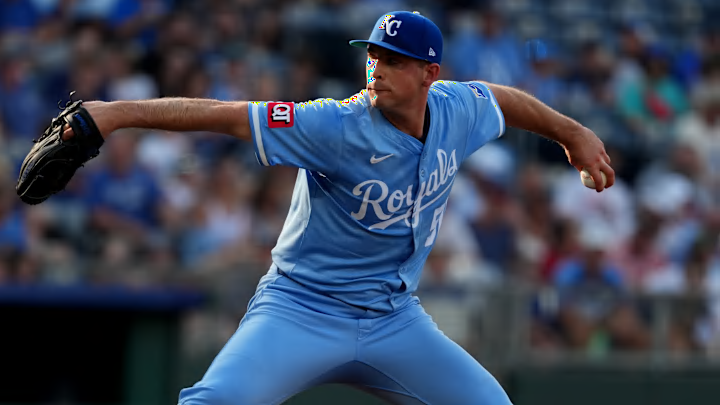
How baseball's front offices can operate is shrouded in a semblance of secrecy. After all, if the Athletics knew how the New York Yankees develop players or the Minnesota Twins know how the Tampa Bay Rays find trade targets, there would be much more competitive balance in baseball.
The results are often black and white, but the process lives in the grey area. For the Kansas City Royals, it is a black-and-white matter that they need bats this offseason badly.
Thankfully, the winter's hot stove is the prime time for Kansas City to turn the lineup around.
The organization is making some big moves to their hitting coaching staff, namely not renewing the contract of two assistant major-league coaches. But whoever their replacements are, there should be an influx of talent for them to work with.
The easier choice is looking at the free agency pool, opening up the checkbook, and hoping for the best. But a more creative and potentially better option is on the trade market, moving from a position of strength to address one of weakness. It is a tale as old as time, and MLB.com's Anne Rogers said the Royals would consider that approach this offseason.
"As important as [starting pitch] depth is, it could also be used in trades. Teams are always looking for pitching, so it seems likely those names could come up in trade conversations with the Royals looking for a bat."Anne Rogers, MLB.com
This was a similar story last year, and Royals fans saw how it turned out. A litany of injuries tested Kansas City's starting depth more than most, and the rotation was a problem at rare points. But the offseason provides time to heal and time to reevaluate.
If Kansas City wants to move a starting pitcher for batting help, who could it be? Here are some options that stand out and why ahead of free agency.
3 tradeable starters to resolve Royals’ crowded rotation
LHP Noah Cameron
Don't grab the pitchforks yet, folks. If the Royals want to make a big move, one that grabs headlines and pushes them into another tier ahead of Opening Day, it will cost some player capital.
Prospects are always the sexy bet, with a boatload of potential for an acquiring team. But why bet on an unknown when there is an undeniable rookie star in Noah Cameron to dangle in trade negotiations? This does not mean that Cameron needs to be traded at any cost, but if Kansas City wants to make a big move, there may be no better player to trade than Cameron.
Where do you start evaluating Cameron's rookie year? His 2.99 ERA, 137 ERA+, and 2.65 walk-to-strikeout ratio all rank amongst the best for a Royals rookie starter. His measly 1.099 WHIP leads the field, ahead of legends like Zack Grienke, Kevin Appier, and Paul Splittorff.
Cameron's season was a resounding success when Kansas City needed it the most. He had a historic start against the Tampa Bay Rays, but was a stabilizer while Kansas City's rotation had an injury bug for much of the following season. His 24 starts are the most from a Royals rookie starter since Yordano Ventura had 30 starts for the 2014 Royals.
Noah Cameron is one of just five SP’s in the last decade with a 140 ERA+ and a WHIP below 1.10 in their rookie season!
— Just Baseball (@JustBB_Media) September 24, 2025
An awesome breakout arm for Kansas City 👑 pic.twitter.com/P6fwVC3mWt
But baseball is a business at the end of the day. If Cameron could guarantee he would pitch at this level for the next five years, there is no reason Kansas City should consider moving him via trade. However, some additional predictive statistics raise red flags for Cameron.
Cameron posted a 4.18 FIP in his 138.1 innings of work, inflated by below-average strikeout numbers and a penchant to give up the long ball at times. The negative difference between his ERA and FIP was the largest on the Royals' staff, and the 11th-highest from any MLB starter.
Cameron's 4.33 SIERA, a more projectable stat, was far from the league's best and ranked 5th amongst Royals starters. Are these career-alerting marks, ones that say Cameron's 2025 was all a sham? No, but it is saying that this season may not be replicable, and regression is much more likely in 2026.
Whether it be the rookie campaign he had, the going price for starting pitching, or team control remaining, there is a litany of reasons Cameron's value may never be higher than right now. It would be a tough pill to swallow, moving Cameron after his 2025 season and role in keeping Kansas City alive so deep into the season. But if it makes the 2026 and future Royals better, a trade may be warranted.
LHP Kris Bubic
It is easy to forget that pockets of Royals fans considered left-handed pitcher Kris Bubic as a prime trade candidate ahead of this past deadline. On a game level, it was hard to understand why the Royals should even consider trading Bubic away while they were hopefully contending themselves.
Through July, he made 20 starts with a minuscule 2.55 ERA to his name, looking fully healthy and better than ever in his first full starting season after Tommy John surgery in 2023. The Stanford pitcher even earned his first All-Star selection for his performance, looking like the best pitcher from the maligned Royals' 2018 MLB Draft class.
But the southpaw suffered a rotator cuff strain in his last start of the season, an injury that prematurely ended his season. The Royals' playoff hopes similarly went down the tubes when Bubic went on the shelf alongside several other Royals starters.
Now, heading into a healthy offseason and ramp-up to spring training, Bubic's profile and impending free agency should make him a trade candidate for more teams than fans would think.
Bubic is under team control for only one more season, heading into his final arbitration year in 2026 and set for a sizeable raise. The Royals and Bubic settled for a $3 million salary ahead of the 2025 season, and Bubic's salary should double, according to MLB Trade Rumors, as Kansas City faces the league's largest group of arbitration-eligible players.
The Royals need to strongly consider extensions for these four arbitration candidates this offseason.https://t.co/FHI6Bl0BnQ
— Kings of Kauffman (@KingsofKauffman) October 9, 2025
If you looked at Bubic's career right now, 2025 would prove to be a positive outlier by far. But, there is something to say how well he looked to start 2023, out of the bullpen in 2024, then fully healthy for most of 2025.
Plenty of Royals pitchers struggled under the previous pitching coaching regime, and perhaps Bubic has blossomed under the new administration. But for most of his MLB career, Bubic looked like the back-half starter he projected to be years ago.
Do the Royals believe in the version of Bubic they saw last season, the pitcher who was Kansas City's best in the season's opening four months? Or will the injury history and track record leading up to 2025 prove to outweigh the positives? There are two viable camps here to have.
If Kansas City is wary, or if they are concerned enough to not extend Bubic's time here in Kansas City, then now is the time to trade him for batting help. Like Cameron, Bubic's value may never be higher than it is this offseason.
RHP Ben Kudrna
Why not clean up the rotation picture by moving a player who will be entering the picture in 2026? Right-handed pitcher Ben Kudrna has been a long-term battery mate for catcher Carter Jensen in the Royals' minor-league system, and his pending Rule 5 eligibility should put him on Kansas City's 40-man roster this winter.
But it was not all sunshine and rainbows for the Shawnee Mission product in 2025. After some red flags continue to fly, the Royals could use Kudrna as the star prospect in a trade package to address the outfield or second base.
Kudrna represented Kansas City in the 2024 All-Star Futures Game and has been a top-10 Royals prospect for most of his professional career. But the game-level results were not pretty for Kudrna despite some stellar individual outings. He spent most of the season in Double-A, tallying multiple outings of six innings or more with no earned runs, including his 11-strikeout performance on July 22.
Ben Kudrna is done, and his final line is 🔥‼️
— Northwest Arkansas Naturals (@nwanaturals) July 23, 2025
6⃣IP, 1⃣H,0⃣R, 1⃣1⃣K,0⃣BB on 8⃣5⃣ pitches!
Kudrna struck out every hitter in the Travs lineup at least once!@MLB | @MLBPipeline | @Royals | @KCRoyalsPD pic.twitter.com/Dwv0wW2zzy
While a 3.53 FIP can explain away his 4.21 ERA in Double-A, there are few redeeming factors for Kudrna's performance once he reached Triple-A. The International League competition shellacked Kudrna, tallying 18 earned runs off him in 11.1 innings of work. While the opposition's .311 batting average against Kudrna didn't help, it was the lopsided 17 walks he issued to only 10 strikeouts that is a significant cause for concern.
Triple-A batters teed off on his fastball, recording a .412 xwOBA and measley 9.7% whiff rate on the pitch. Meanwhile, his changeup and slider still had top-tier whiff rates, but his fastball's ineffectiveness caused him to nibble at the zone, either missing with his breaking stuff over the plate or piling up the walks.
Is this something Kansas City can fix or build a different approach to address? Perhaps. The pitching coaching staff has made the best with what they are given in recent seasons.
But the secondary offerings are so good that Kudrna feels like one tweak or change away from being a big-league pitcher in 2026. If another organization believes it can make that happen, then it might target him in trade talks. This feels like moving Kudrna when his value is low, compared to a perceived trade value ahead of the 2024 or 2025 seasons.
This move is even more niche than one involving Bubic or Cameron, but the Royals shouldn't trade Kudrna for anything they can get just because. There are not many high-tier pitching prospects knocking on the door for Kansas City; Kudrna is the only one.
However, if the arsenal isn't malleable and will be such an issue moving forward, trading Kudrna now would be the prudent move and help clean up the rotation's minor-league reinforcements. But it would be a shame not to see Jensen catch Kudrna at least once in Kauffman Stadium.
 Add us as a preferred source on Google